Physical Address
304 North Cardinal St.
Dorchester Center, MA 02124
Physical Address
304 North Cardinal St.
Dorchester Center, MA 02124
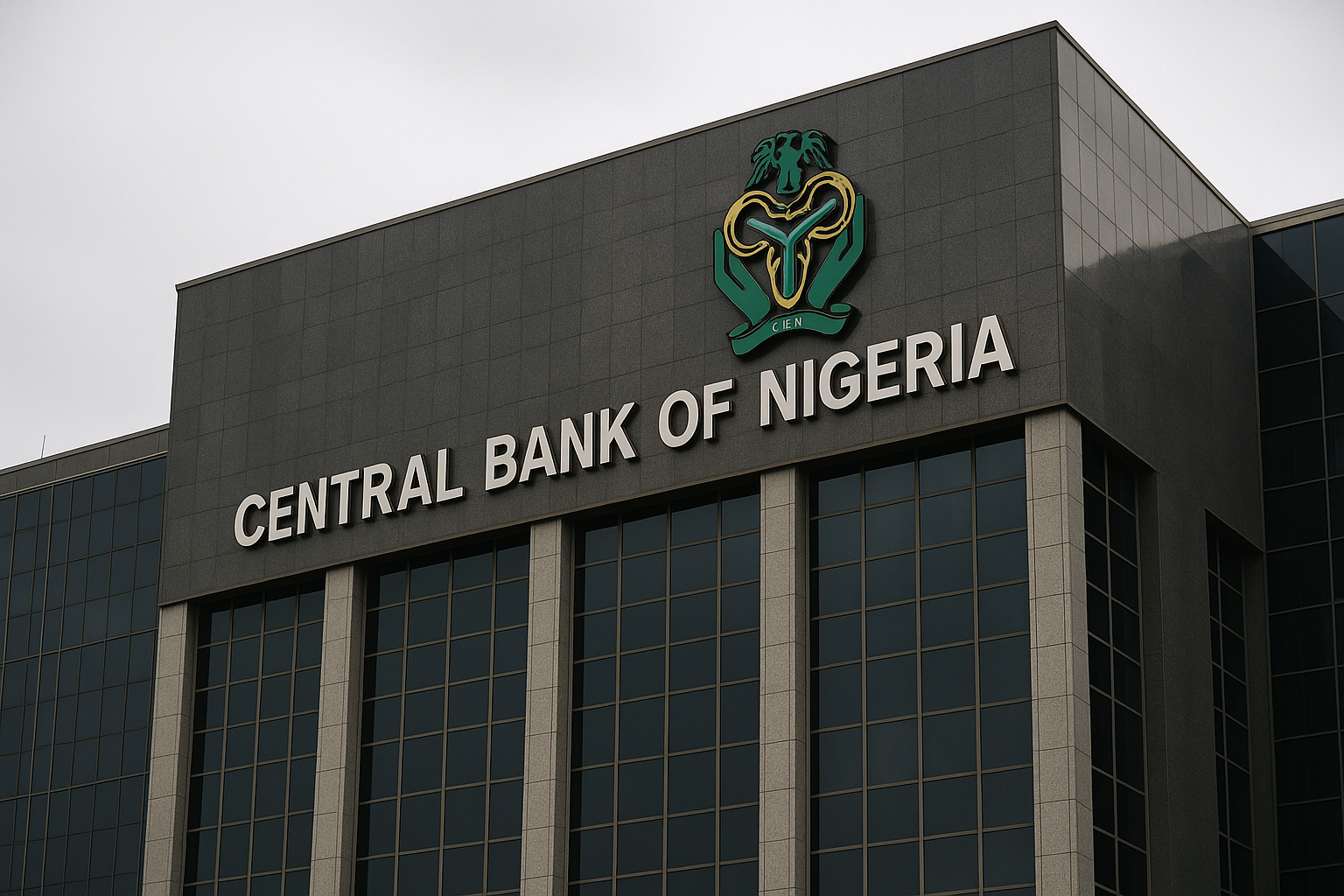
Nigeria’s economy is a tale of two realities. On paper, the government tracks GDP, collects taxes, and designs policies based on a formal economy that’s visible and measurable. But the story on the ground is very different. There’s a parallel economy operating largely outside government oversight, informal markets, unregistered businesses, cash trades, that doesn’t show up in official statistics but drives a significant chunk of economic activity. This split isn’t just an academic curiosity. It’s a fundamental challenge for anyone trying to understand Nigeria’s economic health or make smart business decisions here. When half the economy is off the government’s radar, how can policy be effective? How can investors price risk accurately? How can businesses plan for growth? Take the informal sector, think of the sprawling markets in Lagos, the roadside mechanics, the small-scale traders. These actors create jobs, generate income, and keep money flowing, yet they often operate outside tax nets and regulatory frameworks. This means government revenue suffers, and economic data underreports real activity. For policymakers, this is a headache. You want to grow the economy, but your tools are calibrated for an official economy that doesn’t capture the full picture. For investors, it means the risks are often underestimated or misunderstood. You might see a company’s financials and miss the informal supply chains or cash flows that actually sustain it. My concern is that this dual economy creates blind spots. It’s not just about lost tax revenue; it’s about misreading the pulse of Nigeria’s economic engine. But there’s also opportunity here. The informal economy is a sign of resilience and entrepreneurial spirit. The question is how to bring it into the formal fold without killing its vibrancy. The way I see it, bridging this gap requires smarter data collection, flexible policy frameworks, and incentives that encourage formalization without heavy-handed enforcement. It’s about recognizing the informal sector’s role and working with it, not against it. For investors and business leaders, understanding this split is critical. It means digging deeper than headline GDP numbers, asking tough questions about supply chains, market access, and regulatory risks. It means seeing Nigeria’s economy as a layered reality, not a single narrative. In the end, Nigeria’s ungoverned economy is both a risk and an opportunity. How we navigate this duality will shape the country’s economic future, and who wins or loses in the process.