Physical Address
304 North Cardinal St.
Dorchester Center, MA 02124
Physical Address
304 North Cardinal St.
Dorchester Center, MA 02124

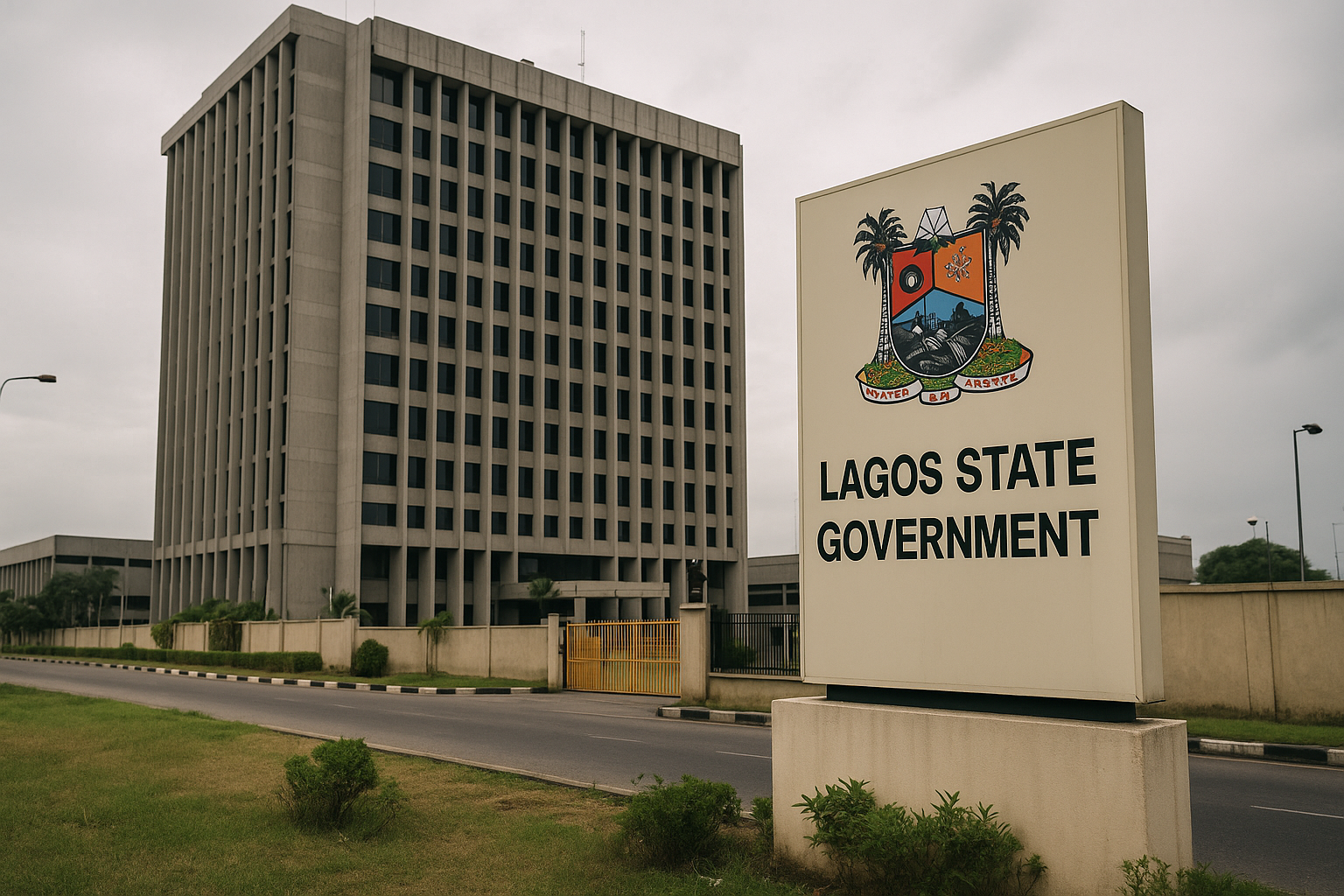
Lagos State’s latest plan to raise N200 billion through bond issuance is a headline that should grab every Nigerian’s attention, not just those in finance or government. When Lagos borrows this kind of money, it’s not just about numbers on a balance sheet; it’s about the future of a city that drives a significant chunk of Nigeria’s economy. So, what’s going on? The Lagos State Government has formally asked the State House of Assembly for approval to issue a bond worth N200 billion. The goal is to fund critical infrastructure projects, think roads, bridges, drainage systems, stuff that keeps the city moving and businesses running. Lagos, with its population pushing 25 million, can’t afford to sit on its hands while its infrastructure crumbles. But here’s the thing: borrowing this much is a double-edged sword. On one hand, infrastructure investment can stimulate economic activity, create jobs, and improve the ease of doing business. On the other, it adds to Lagos’ debt burden, which already raises eyebrows among economists and investors. The question is, can Lagos manage this debt responsibly? For those who live and work in Lagos, whether you run a small shop in Oshodi or manage a tech startup in Yaba, this bond matters. Better roads and utilities mean lower costs, faster deliveries, and more customers. For investors, it’s a chance to put money into a relatively stable and productive environment, but with the usual Nigerian twists: execution risk and political will. My concern? Bonds are only as good as the projects they fund and the discipline behind repayment. If Lagos uses this money wisely, it could set a precedent for other states. But if the funds get diverted or projects stall, Lagos taxpayers and investors will pay the price. This is where governance and transparency must come into play. What should you watch next? How the Assembly debates this proposal, the terms of the bond, and the government’s plan for project execution. Also, keep an eye on Lagos’ overall debt profile and revenue streams. This bond is more than a financial instrument; it’s a test of Lagos’ capacity to manage growth and debt in a way that benefits everyone. In Nigeria, infrastructure is often the bottleneck strangling growth. Lagos is trying to break that bottleneck with this bond. Whether it succeeds or stumbles will tell us a lot about the future of public finance and economic development in Nigeria.