Physical Address
304 North Cardinal St.
Dorchester Center, MA 02124
Physical Address
304 North Cardinal St.
Dorchester Center, MA 02124
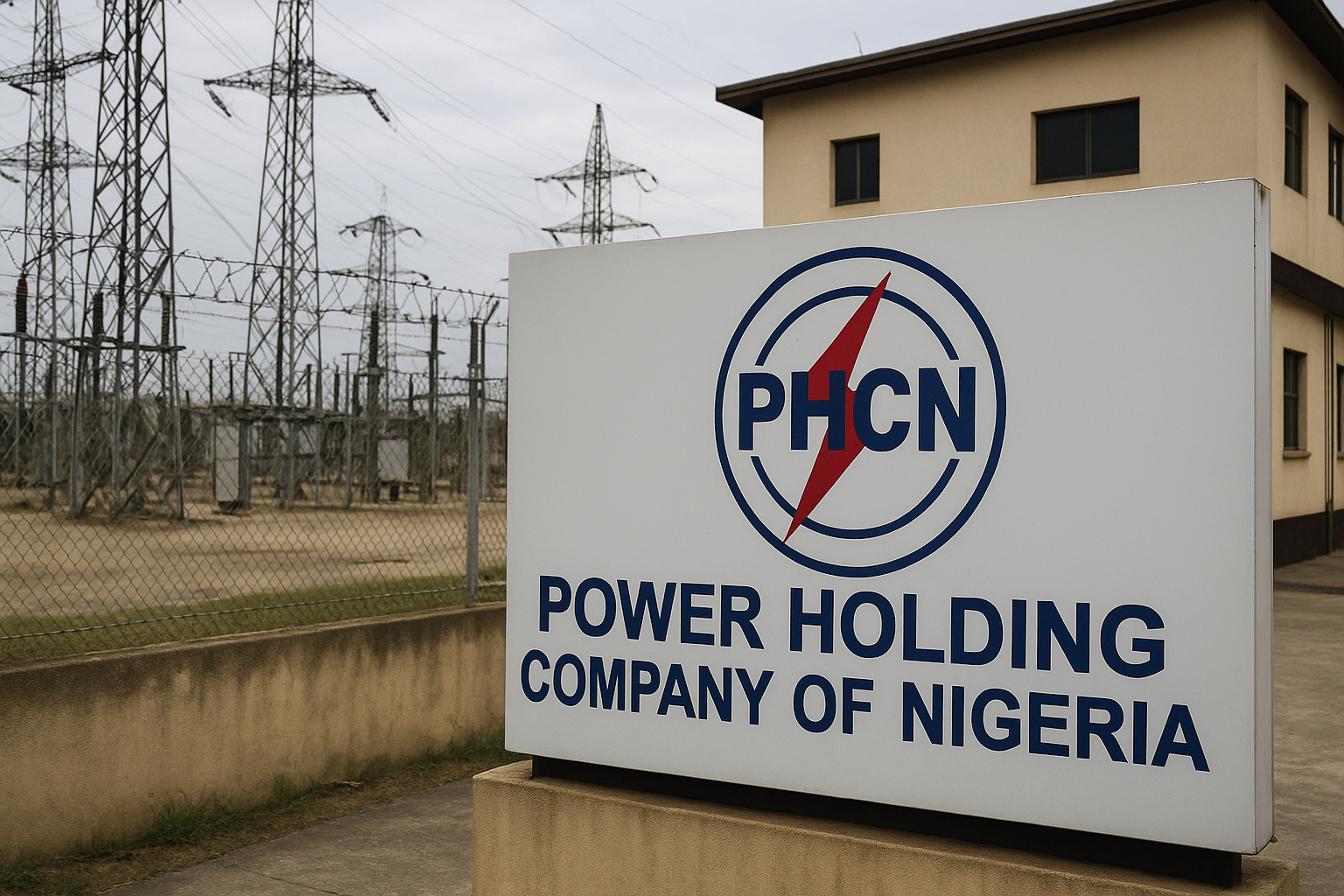
Nigeria’s power sector has long been the headache no one wants to fully cure. Today, the Federal Government launched a N729 billion bond, part of the Presidential Power Sector Debt Reduction Programme, to tackle the mountain of unpaid bills owed to generation companies (GenCos) and gas suppliers. On paper, this looks like a big deal. But the question I keep asking myself is: will this bond really move the needle, or are we just rearranging deck chairs on the Titanic? Let’s break down what’s happening.
The government is essentially borrowing money to pay off verified legacy debts in the power sector. These debts have been a major drag on GenCos and gas suppliers, many of whom have struggled to stay afloat because payments from distribution companies (DisCos) and other intermediaries have been slow or nonexistent. By clearing these debts, the government hopes to improve the financial health of these companies, which should, in theory, lead to more reliable power supply. Now, why does this matter?
For Nigerian businesses, especially SMEs, the cost of running generators due to unreliable grid power is a significant expense. When GenCos and gas suppliers get paid on time, they can invest in maintenance and capacity expansion. That means fewer blackouts and less downtime. For investors, a government-backed bond signals a commitment to financial discipline and sector reform, which could improve market confidence in Nigerian bonds and power sector equities. But here’s where I get cautious.
The power sector’s problems are not just about debt. We’re talking about a system riddled with infrastructure deficits, tariff shortfalls, regulatory bottlenecks, and operational inefficiencies. Clearing debt is necessary but not sufficient. If the root causes aren’t addressed, this bond might only provide temporary relief. Who feels this most? Investors want to see returns and stability. Power companies want cash flow to keep the lights on. SMEs and consumers want affordable, reliable electricity.
Policymakers want to show progress. But if payments from DisCos remain erratic or if tariffs don’t reflect the true cost of power, the cycle of debt will continue. My concern is that the government’s focus on debt clearance, while important, risks overshadowing the need for deeper reforms. Without tackling the structural issues, like improving DisCo performance, revising tariffs, and boosting gas supply, the sector will remain fragile. This bond is a step, but it’s not the finish line.
So, what should you watch next? Keep an eye on how the funds are deployed and whether GenCos and gas suppliers actually see timely payments. Watch if this translates into fewer outages and better service. And watch government policy for moves that address the sector’s structural challenges. In the end, this bond is a financial lifeline, not a cure-all. For Nigeria’s power sector to truly power the economy, we need more than debt clearance; we need a full reset.