Physical Address
304 North Cardinal St.
Dorchester Center, MA 02124
Physical Address
304 North Cardinal St.
Dorchester Center, MA 02124

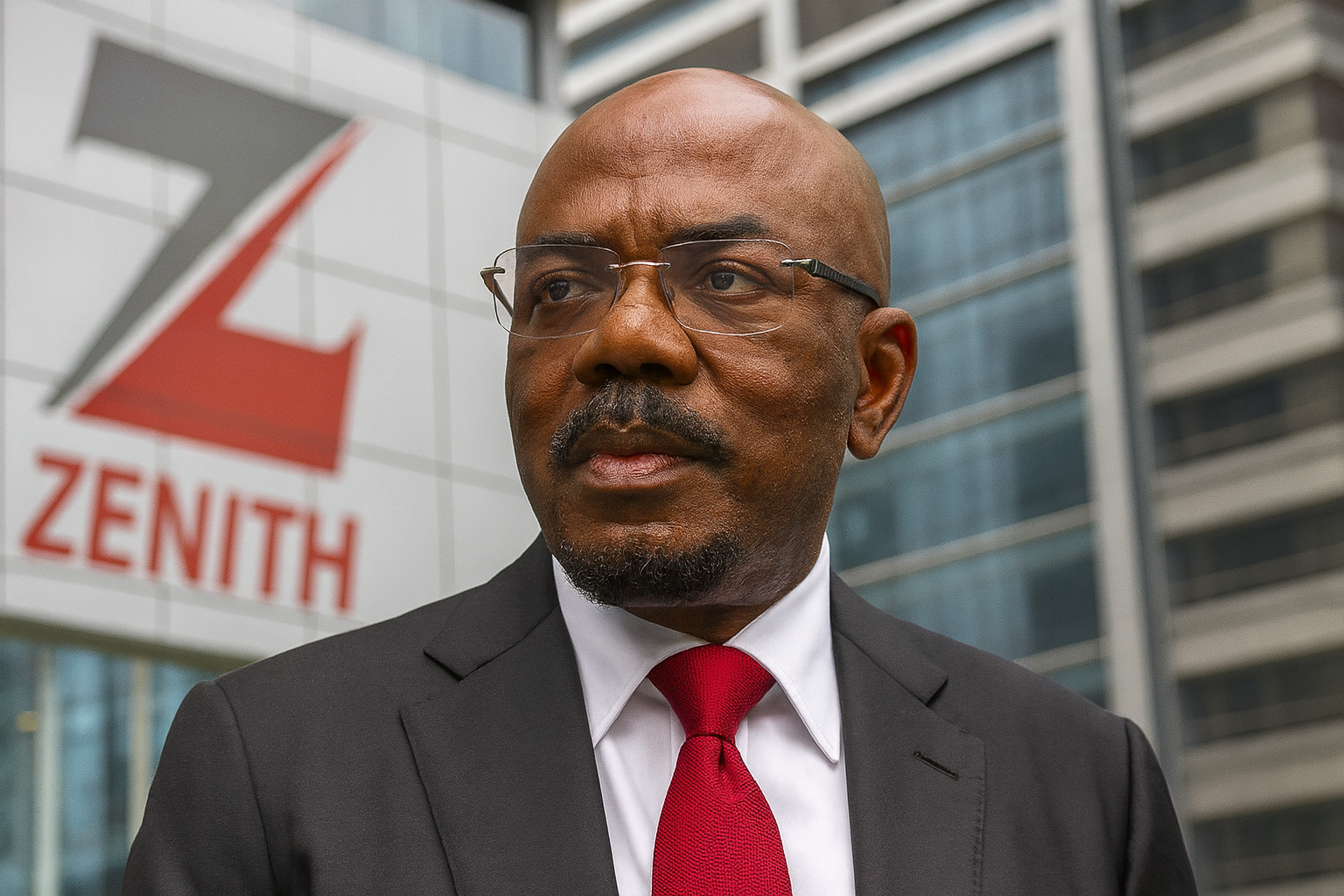
When a man who built one of Nigeria’s biggest banking fortunes says buildings pay better than banks, he is saying something larger about where money feels safest. Jim Ovia’s reported move into luxury real estate is easy to read as another billionaire diversification story. A wealthy man sees opportunity, buys into it and moves on. But the more interesting part is not that he likes property.
It is that someone who understands Nigerian banking from the inside is publicly putting premium buildings in a more attractive light. BusinessDay reports that the Zenith Bank founder described real estate as more profitable than banking and said he was moving into the sector full-time. Bloomberg reports that units in the luxury development associated with his new focus start at about $1.85 million, with some apartments priced from $2.8 million. That is not the Lagos property market most Nigerians recognise.
For the young couple stretching rent, the trader trying to turn a shop into a home, or the small business owner watching cement and diesel costs jump again, luxury apartments priced in dollars may as well be another country. Yet that distance is precisely the point. At the very top of the market, a developer is not selling merely four walls and tiles. He is selling location, security, status, convenience and entry into a small circle of people who can afford to treat property as both a home and a store of wealth.
Banking, by contrast, is demanding work. A lender must attract deposits, manage credit risk, satisfy regulators, invest in technology, fight fraud and keep customers happy in an economy where inflation, exchange-rate shocks and high interest rates can change the mood overnight. There is scale in banking, certainly. But there is also constant scrutiny and a thousand moving parts.
Luxury property has its own dangers: expensive construction, delayed projects, weak demand, empty apartments and money tied down for years. It is not a magic machine. But when the land is scarce, the address is right and the buyer has dollars or deep pockets, one successful project can produce returns that make ordinary businesses look like long-distance running. This is why the billionaire’s statement deserves more than applause from property marketers.
It raises an uncomfortable question about the Nigerian money map. What does it mean when some of the country’s most sophisticated capital sees greater comfort in assets that are scarce, exclusive and priced beyond local incomes? It may be rational for an individual investor. In fact, it probably is. Capital goes where it expects to be protected and rewarded. But the national picture is less tidy.
Nigeria needs factories that make useful things, logistics businesses that reduce waste, farms that can scale, and smaller companies that can borrow without being crushed by the cost of money. It also needs homes that working people can realistically buy or rent. Those investments are harder, slower and often messier than building for a thin layer of wealthy buyers. That is the tension underneath this story. The luxury market can thrive even when the wider housing market is in pain.
A penthouse can find a buyer while a salary earner cannot find a decent two-bedroom flat within reach of work. Both are called real estate, but they are not the same economy. None of this means banking is finished or property is automatically the better business. Zenith remains a major institution in Nigerian finance, and banks still sit at the centre of payments, lending and corporate life. Ovia’s view is a personal investment judgement, not a universal rule. Still, it is a useful signal.
The people with the strongest balance sheets are watching where scarcity can be turned into pricing power. In Lagos, land, location and access to affluent buyers can do that remarkably well. For anyone building a business, the lesson is not to rush out and buy land. It is to ask a harder question: in this economy, are you creating value that customers can keep paying for, or are you lucky enough to own something that scarcity will keep repricing for you?
That difference may define who builds wealth in Nigeria’s next chapter — and who is simply priced out of it.