Physical Address
304 North Cardinal St.
Dorchester Center, MA 02124
Physical Address
304 North Cardinal St.
Dorchester Center, MA 02124
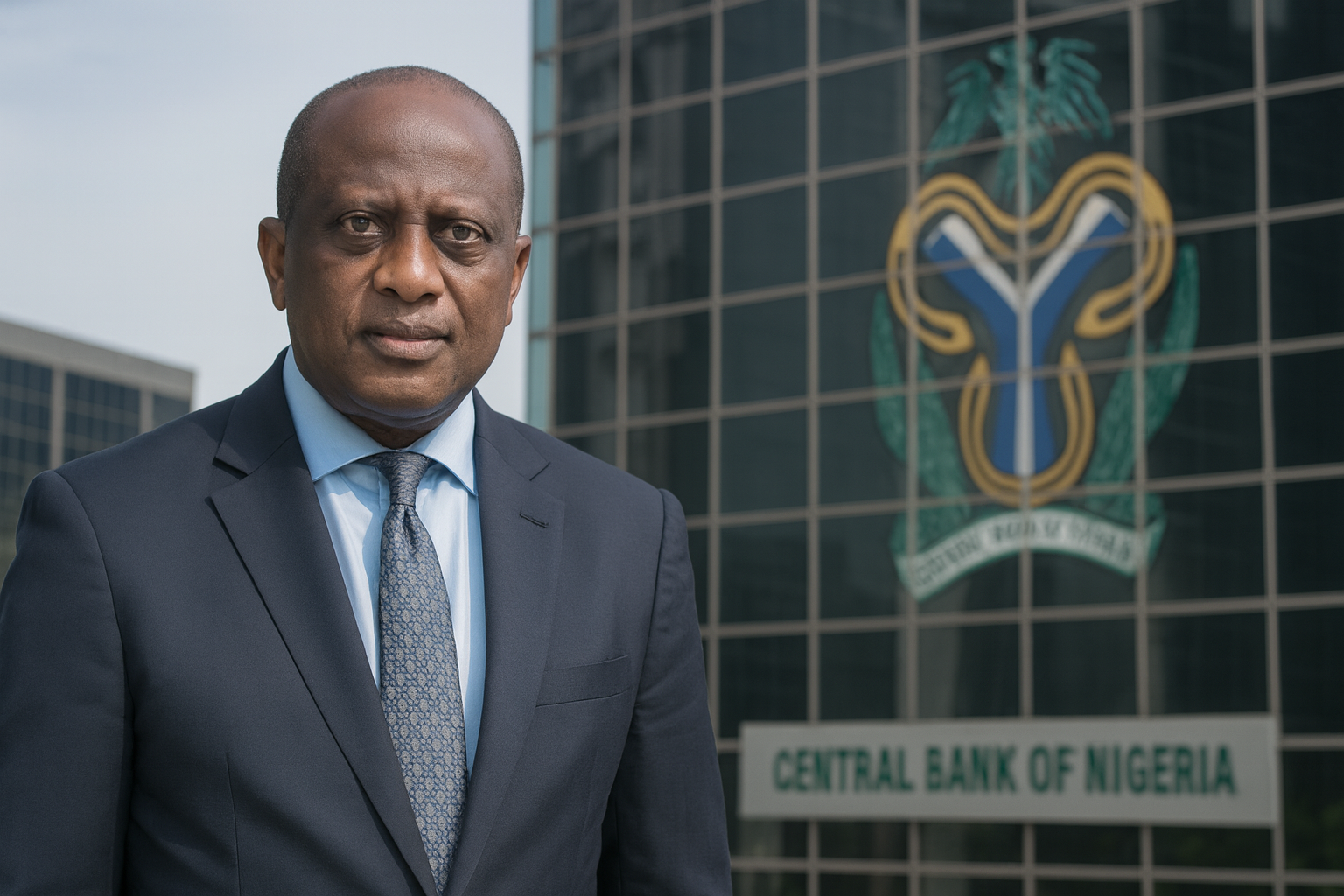
The CBN is asking Nigerians to wait for relief while making the wait more expensive. That is the uncomfortable message inside the decision to keep the benchmark interest rate at 26.5% for a second consecutive meeting. Olayemi Cardoso says Nigeria’s journey towards lower inflation has been delayed by new shocks, not derailed. It is a careful distinction.
But for the entrepreneur renewing an overdraft, the distributor trying to stock a warehouse, or the family considering a loan for school fees, it can sound like policy language for one hard reality: money will remain costly for now. BusinessDay reports that the Monetary Policy Committee held its rate at 26.5%. Available reports also indicate that the governor remains cautious about easing too quickly in the face of external shocks and fresh price risks. The central bank’s logic is not difficult to understand.
Cut rates too early, and Nigeria could reignite the very pressures it has spent months trying to contain. Consumers and businesses may start expecting prices to rise again. The naira could come under renewed pressure. Investors who want to see discipline may begin to doubt the resolve. In other words, the bank does not want to win one cheerful headline today and inherit a more expensive problem tomorrow. But monetary patience is never shared equally.
Large companies with retained earnings, foreign-currency income or strong banking relationships can negotiate, delay projects or find other ways to fund themselves. The small manufacturer in Aba, the restaurant owner in Lagos and the importer whose stock must be paid for before it is sold do not have that luxury. They borrow at rates that can make a decent business look foolish on paper.
Then they face high transport costs, costly power, restive customers and suppliers who want payment immediately because they too are trying to survive an inflationary economy. This is the squeeze: credit is expensive, but not borrowing does not make the cost of doing business disappear. It simply forces many firms to shrink their ambitions. Hire fewer people. Buy less stock. Postpone the second outlet. Let the new machine wait. Raise prices carefully, then watch customers complain—or disappear.
That is why an interest-rate decision is never just a story for bankers, economists and television panels. It is a decision about who gets to keep moving while the economy is trying to regain its balance. Cardoso’s “delayed, not derailed” line is also a political and institutional bet. The governor is effectively saying the CBN should be judged by the direction of travel, not by the impatience of a single month. That is reasonable. Inflation does not fall because a committee wants it to.
It falls when the forces feeding it—currency stress, supply disruptions, excessive liquidity and rising expectations—begin to lose their grip. Still, Nigerians have learnt to be suspicious of promises that arrive before relief. A household does not experience “disinflation” as an economic achievement if food, rent, transport and school costs remain brutal. A business owner does not celebrate macroeconomic discipline if every bank conversation ends with a repayment schedule that chokes cash flow.
The CBN’s challenge, then, is bigger than holding the line. It must show that the pain has a destination. Keeping rates unchanged may be the safer monetary choice. But safety for the inflation target must eventually become breathing room for the real economy. Otherwise, Nigerians will keep hearing that the road is intact while wondering why the journey is still so expensive.