Physical Address
304 North Cardinal St.
Dorchester Center, MA 02124
Physical Address
304 North Cardinal St.
Dorchester Center, MA 02124
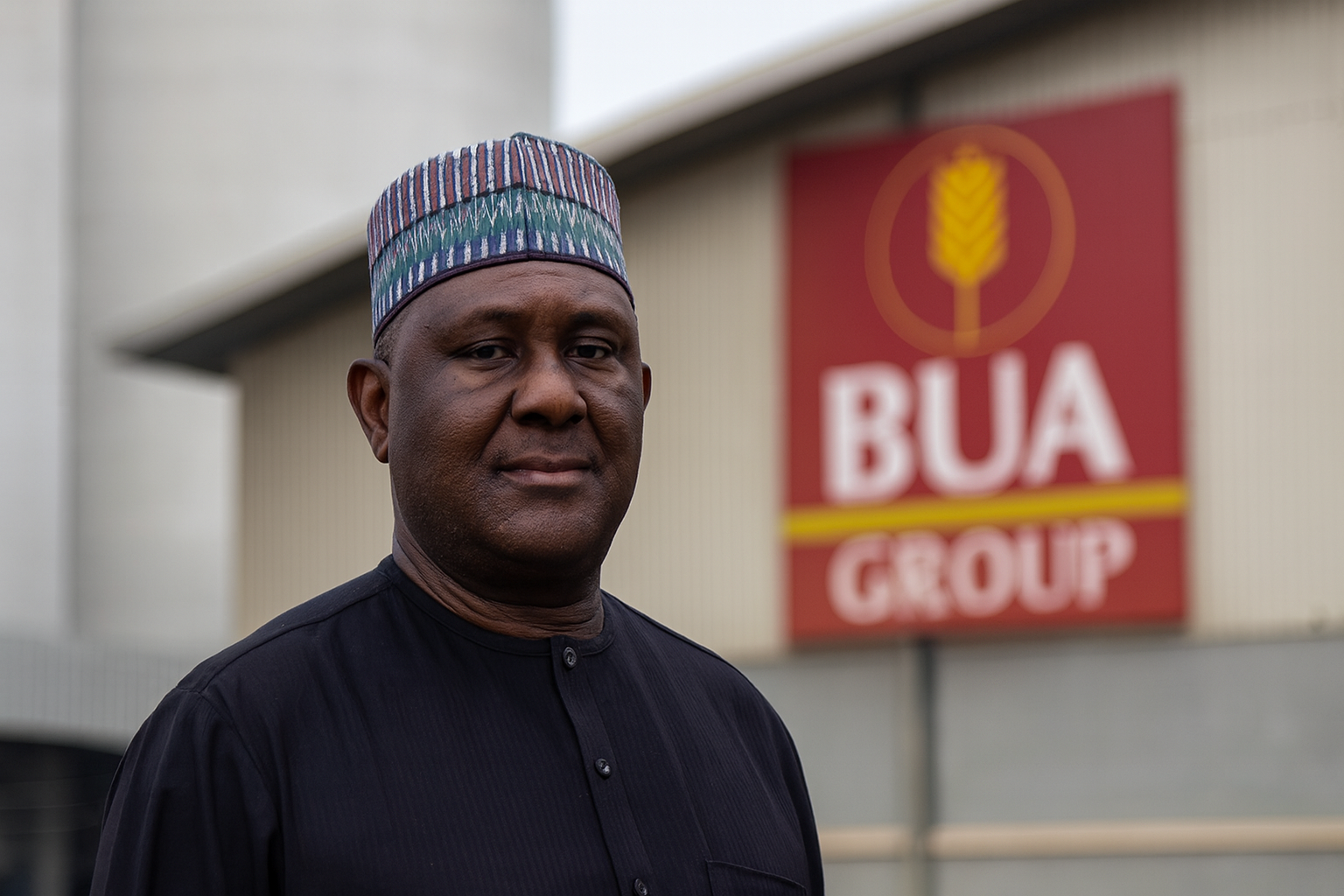
Nigerian industrialist Abdul Samad Rabiu’s net worth has climbed to approximately $18.7 billion, bringing the BUA Group founder within touching distance of the $19 billion mark. According to estimates based on the Bloomberg Billionaires Index, Rabiu added about $8.5 billion to his fortune during the first five months of 2026. The increase briefly positioned him as Africa’s second-richest person, behind only Aliko Dangote. But Rabiu did not suddenly receive billions of dollars in cash.
The surge was largely driven by the rising market value of his controlling stakes in BUA Cement and BUA Foods, two of Nigeria’s biggest publicly listed manufacturing companies. The companies behind the billions Rabiu owns the overwhelming majority of both companies. Bloomberg’s valuation model therefore links changes in their share prices directly to changes in his estimated personal wealth.
BUA Cement shares recorded a major rally during the first part of 2026, while BUA Foods also benefited from strong investor demand and improved earnings. BUA Cement reported that its profit after tax more than doubled to ₦176.4 billion in the first quarter of 2026. BUA Foods also continued to record strong profits across its sugar, flour, pasta and packaged food operations. As the value of both companies increased on the Nigerian Exchange, the estimated value of Rabiu’s shares increased with them.
Why the numbers differ, there is an important catch. Bloomberg and Forbes do not currently agree on exactly how much Rabiu is worth. Bloomberg’s calculations placed his fortune around the $19 billion range during May. Forbes has produced a lower estimate because it applies more conservative assumptions when valuing large stakes in companies with limited publicly available shares. Rabiu controls more than 90 percent of both BUA Cement and BUA Foods.
This means only a relatively small percentage of their shares are regularly available for public trading. Multiplying his entire shareholding by the latest market price produces an enormous valuation. But selling such a large stake at that same price would be almost impossible because putting billions of shares on the market would likely push the price down. His net worth is therefore an estimate of the value of his assets, not the amount of money sitting in his bank account.
Rabiu’s rise shows how quickly industrial wealth can expand when a founder maintains significant ownership of successful publicly listed companies. Unlike entrepreneurs who sell large portions of their businesses to outside investors, Rabiu has retained control of the companies behind his fortune. That concentrated ownership gives him more exposure when share prices rise. It also highlights the growing value investors are placing on businesses that supply Nigeria’s essential needs.
Cement is needed for housing and infrastructure. Flour, sugar, pasta and other packaged foods serve a country of more than 200 million people. These may not be glamorous technology products, but they generate revenue from goods people and businesses repeatedly need. I personally think Abdul Samad Rabiu’s journey toward $19 billion is not simply a billionaire-ranking story. It is a lesson in ownership. Rabiu built businesses in essential industries, listed them on the stock market and retained most of the shares.
When those companies grew and investors pushed their valuations higher, most of the financial upside remained with him. The exact net-worth figure may rise or fall with the market. But the bigger business lesson remains the same: Building a successful company can make you wealthy. Maintaining ownership while it grows is what can make you extraordinarily wealthy.