Physical Address
304 North Cardinal St.
Dorchester Center, MA 02124
Physical Address
304 North Cardinal St.
Dorchester Center, MA 02124

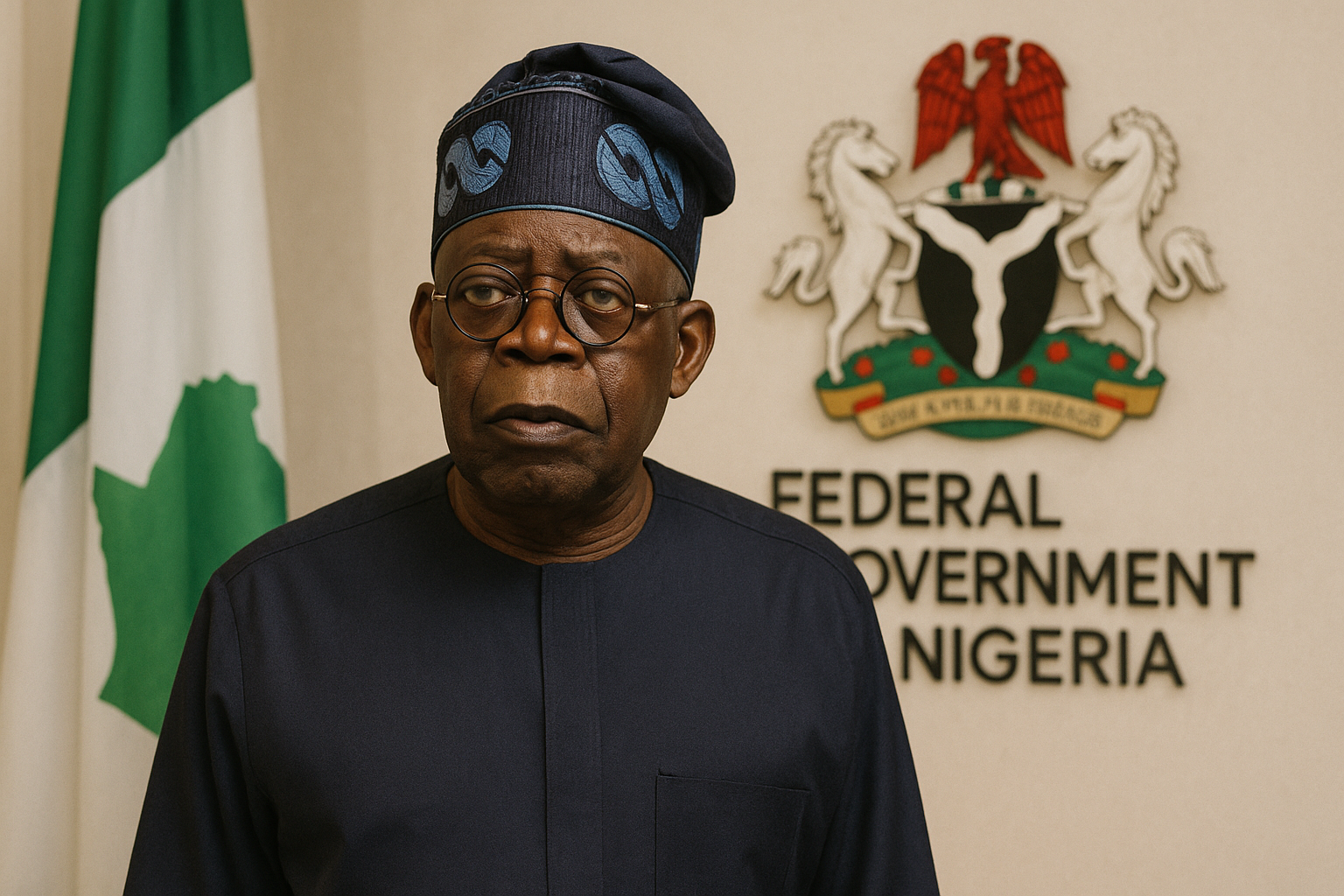
President Bola Ahmed Tinubu has spent the last two years forcing Nigeria into one of the boldest economic resets we have seen in recent times. From removing fuel subsidy to pushing exchange-rate liberalisation, Tinubu has clearly chosen shock therapy over slow adjustment. On paper, the argument is simple: stop funding distortions, let markets breathe, and force the economy to face reality. But for ordinary Nigerians and even many businesses, the story feels far less neat.
Prices have climbed, the naira has suffered periods of instability, and operating costs have hit both households and companies hard. The real question is not whether President Bola Ahmed Tinubu is reforming the economy. He clearly is. The question is whether these reforms are being sequenced well enough to produce broad-based gains before public patience runs out.
If you run a factory in Ogun, manage a retail chain in Lagos, or operate a logistics business in Abuja, you are already feeling the consequences through energy costs, transport costs, imported input prices, and weaker consumer spending. Tinubu’s reform agenda is trying to build a stronger foundation, but the transition period has been painful. There is a serious upside if these reforms hold. A more market-driven FX system could improve investor confidence.
A reduced subsidy burden gives government more room to fund infrastructure. Tax reform, if done well, can improve the business climate. But here is my concern: reforms in Nigeria often fail not because the idea is wrong, but because execution is uneven and political communication is poor. Businesses do not just need reform. They need clarity, stability, and a sense that government understands how tough the road has become. My view is that Tinubu is betting that short-term pain will produce long-term gain.
That may yet happen. But this is not a theoretical economics class. It is real life. It affects transport fares, food prices, power costs, hiring decisions, and investor confidence. So when people discuss Tinubu’s reforms, they should not reduce the matter to slogans. The real issue is whether President Bola Ahmed Tinubu can turn hardship into productivity, and whether Nigerians will see enough evidence soon enough to stay the course.