Physical Address
304 North Cardinal St.
Dorchester Center, MA 02124
Physical Address
304 North Cardinal St.
Dorchester Center, MA 02124
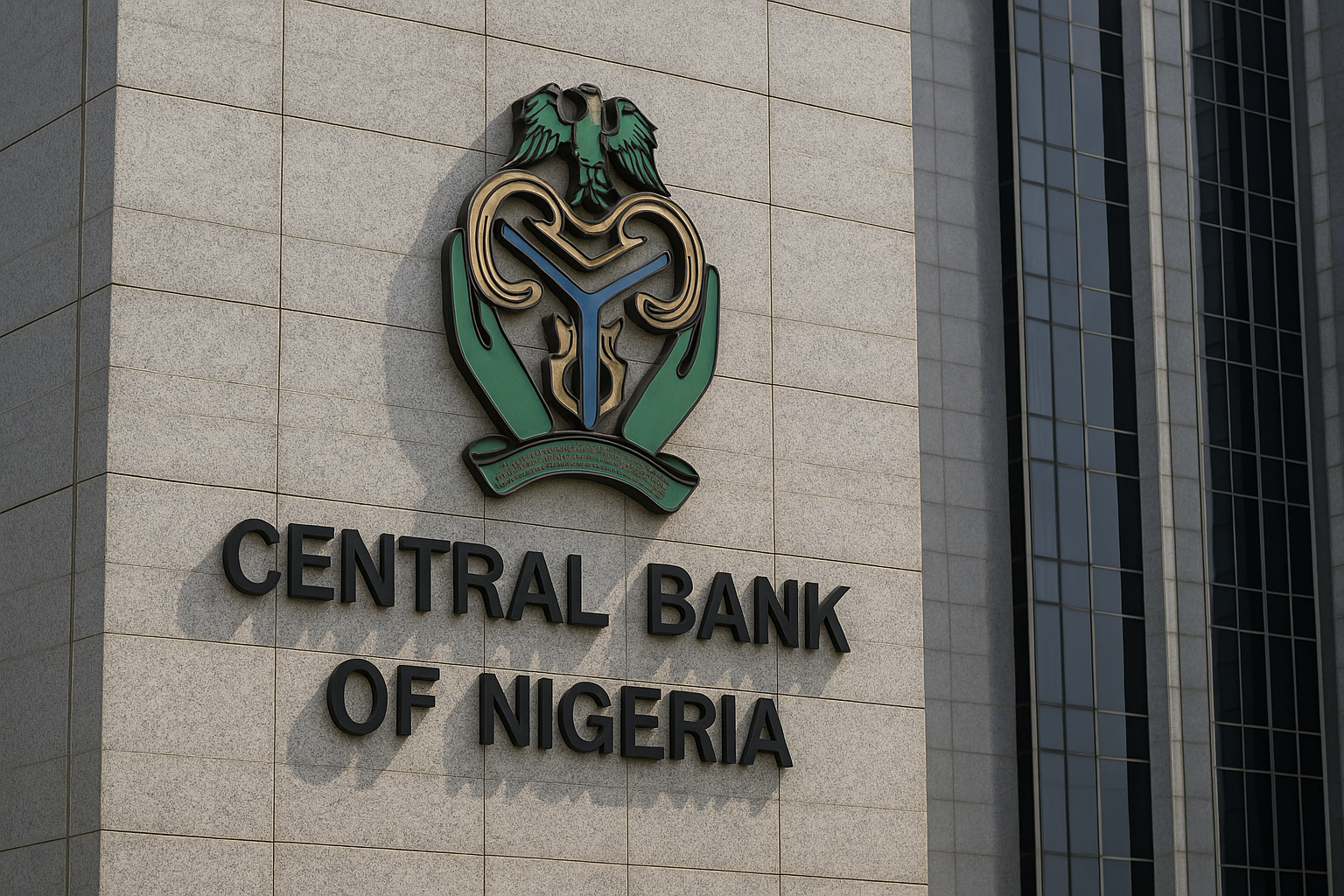
Nigeria’s Central Bank has just made a move that’s both expected and telling. Holding the Monetary Policy Rate (MPR) steady at 26.5% for the second time in a row, Governor Olayemi Cardoso, and the monetary policy committee are sending a clear message: inflation is still a headache, but they’re not ready to turn up the heat or ease off the brakes just yet. Cardoso’s comment that inflation’s path is delayed, not derailed, is the key takeaway here. It’s like Nigeria’s inflation is a stubborn driver who’s slowed down but hasn’t stopped swerving. Recent shocks, think global supply chain hiccups, currency fluctuations, and rising food prices, have pushed inflation off its expected course, but not so far that the CBN feels the need to panic. Why does this matter? Because inflation in Nigeria isn’t just a number on a report; it’s the price of your jollof rice, the cost of transport, the interest rate on your business loan. When the CBN keeps rates high, borrowing costs stay expensive, which can squeeze businesses and consumers alike. But lower rates too soon could fan the flames of inflation, making life harder for everyone. Who feels this most? SMEs trying to expand but facing sky-high loan rates, investors weighing the risk of putting money into Nigerian markets, and everyday Nigerians whose wallets are already stretched thin. The CBN’s cautious stance means no quick relief on the cost of borrowing or consumer prices. Here’s my concern: the CBN is walking a tightrope. They want to avoid choking off growth, especially when the economy is fragile, but they also can’t afford to let inflation run wild. It’s a delicate balance, and the risk is that if shocks keep coming, the bank might have to slam the brakes harder later, which could hurt growth and jobs. What should you watch next? Keep an eye on inflation data, currency stability, and any signs of policy shifts. Also, watch how businesses adapt, whether they can manage higher costs or start passing them to consumers. For investors and policymakers, understanding this dance between inflation and interest rates is crucial for making smart moves in Nigeria’s unpredictable economy.